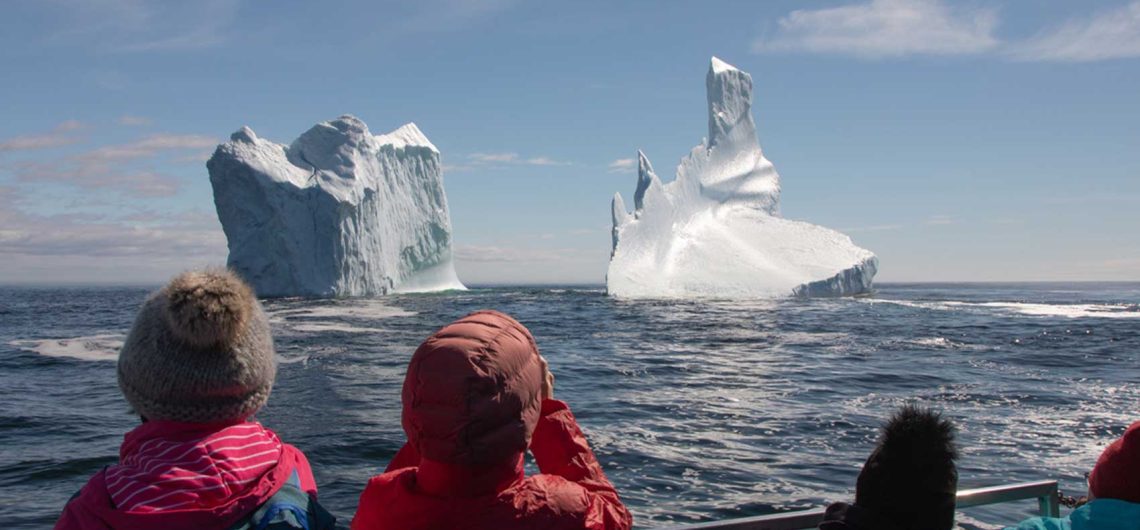
Whale watching is often romanticized. You go out on the water, wait, and hope to spot something large breaking the surface. All your excitement vanishes, as in reality, it rarely works that way. The ocean is massive, ever-changing, and patterns are not always easy to see. For whale watching in Newfoundland, the environment has a huge impact. And this is where taking help from a guided tour comes in handy. They don't just take you for sightseeing but influence how you perceive what you see, when you see it and why. 1) Whale Behaviour is not Solely Driven by Instinct Whales don't just appear out of nowhere. Their patterns are determined by food, water temperature, and migration patterns. To the untrained eye, the ocean might appear still, even if something is happening below. know how to look for clues. Birds flitting about, a change in water colour or a ripple in the distance can all signal whales. This is particularly helpful when searching out humpback whales in Newfoundland, as they have feeding routes that locals become familiar with. 2) Knowing the Location Matters Some spots are better than others. Even in Newfoundland, some parts of the coast are more active at different times of the year. Whale watch tours draw on the expertise gained from years of experience. They understand: Where whales are more likely to feed How currents affect fish movements Where do whales like to go Rather than aimlessly drifting, the trip is purposeful. This is why many tourists prefer to go on whale watching tours in Newfoundland rather than crashing their own boats. 3) Whale Season is a Myth Some think that if they arrive during whale season, the experience will automatically be rewarding. While the season certainly improves the odds, it isn’t everything. Conditions can shift
Whale watching is often romanticized. You go out on the water, wait, and hope to spot something large breaking the surface. All your excitement vanishes, as in reality, it rarely works that way. The ocean is massive, ever-changing, and patterns